
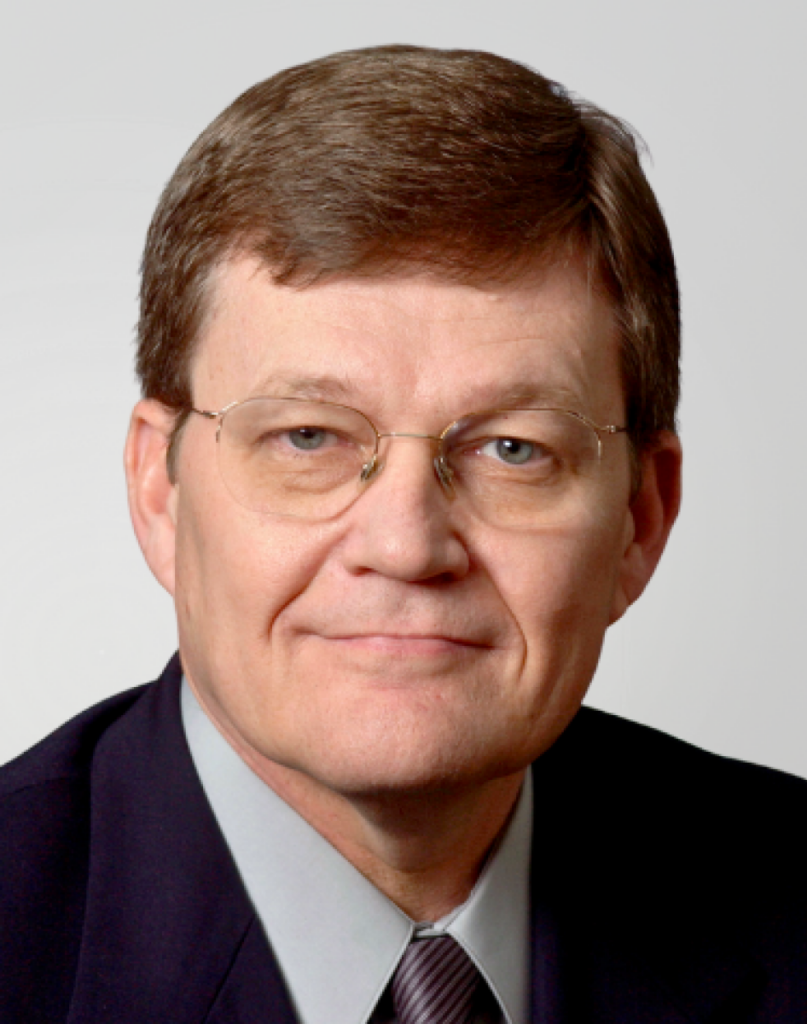
Richard N. Williams, Ph.D., NAS, Trustee. Ph.D. in Psychological Sciences from Purdue University with a graduate minor in Philosophy, B.S. in Psychology with a minor in Spanish language from Brigham Young University, A.S. degree from Snow College. He was a faculty member at Hillsdale College from 1979 to 1981. He joined the faculty at Brigham Young University in 1981 in the Department of Psychology. At BYU, Professor Williams served as Associate Academic Vice President for Faculty (2001-2008) and Founding Director of the Wheatly Institute (2007-2019). He was a faculty member in the Department of Counseling Psychology and Special Education (2019-2024) and in the Department of Psychology (2024 – 2026). He is currently an Emeritus Professor at BYU. His scholarly interests include Theoretical and Philosophical Psychology, the conceptual clarification and defense of human agency, the intellectual and historical foundations of the social sciences and Humanities, and the interface between these disciplines and Christianity in the context of the relationship between traditional and postmodern intellectual perspectives. Related to these topics, he has written What’s Behind the Research: Discovering Hidden Assumptions in the Social Sciences (with Brent Slife), Sage Press, 1995, and edited (with Edwin Gantt) Psychology for the Other, Duquesne University Press, 2002. More recently he edited, with Daniel N. Robinson, Scientism: The New Orthodoxy (Bloomsbury, U. K.) and with Edwin Gantt, On Hijacking Science: Exploring the Nature and Consequences of Overreach in Psychology (Routledge). He has published in various scholarly journals, recently, with Edwin Gantt, “Agency: What Does It Mean To Be A Human Being?, Frontiers in Psychology. Professor Williams is a founding Director of The Sharon Institute, dedicated to the scholarly exploration of the interface between Christianity and the Contemporary Humanities and Social Science disciplines. He is married to Camille Stilson Williams. They are the parents of 5 children and grandparents of 26.